Termite Control
Effective Solutions for Every Pest Problem
Termite Control Services
Termites are among the most destructive structural pests in the Pacific Northwest. They feed on wood from the inside out, often causing significant damage before homeowners notice any sign of activity. In Washington State, termites cause an estimated $50 million in damage each year. Northwest Termite & Pest Control provides professional termite inspection and treatment services throughout Belfair and the surrounding communities. We identify the species, assess the damage, and recommend the right treatment approach. To schedule an inspection, call us at 877-284-6972 or contact us online.
The Two Termites That Matter in Washington
Washington State is home to two primary termite species that cause structural damage. Each requires a different treatment approach. Therefore, identifying the species correctly is the first step in effective control.
Subterranean Termites
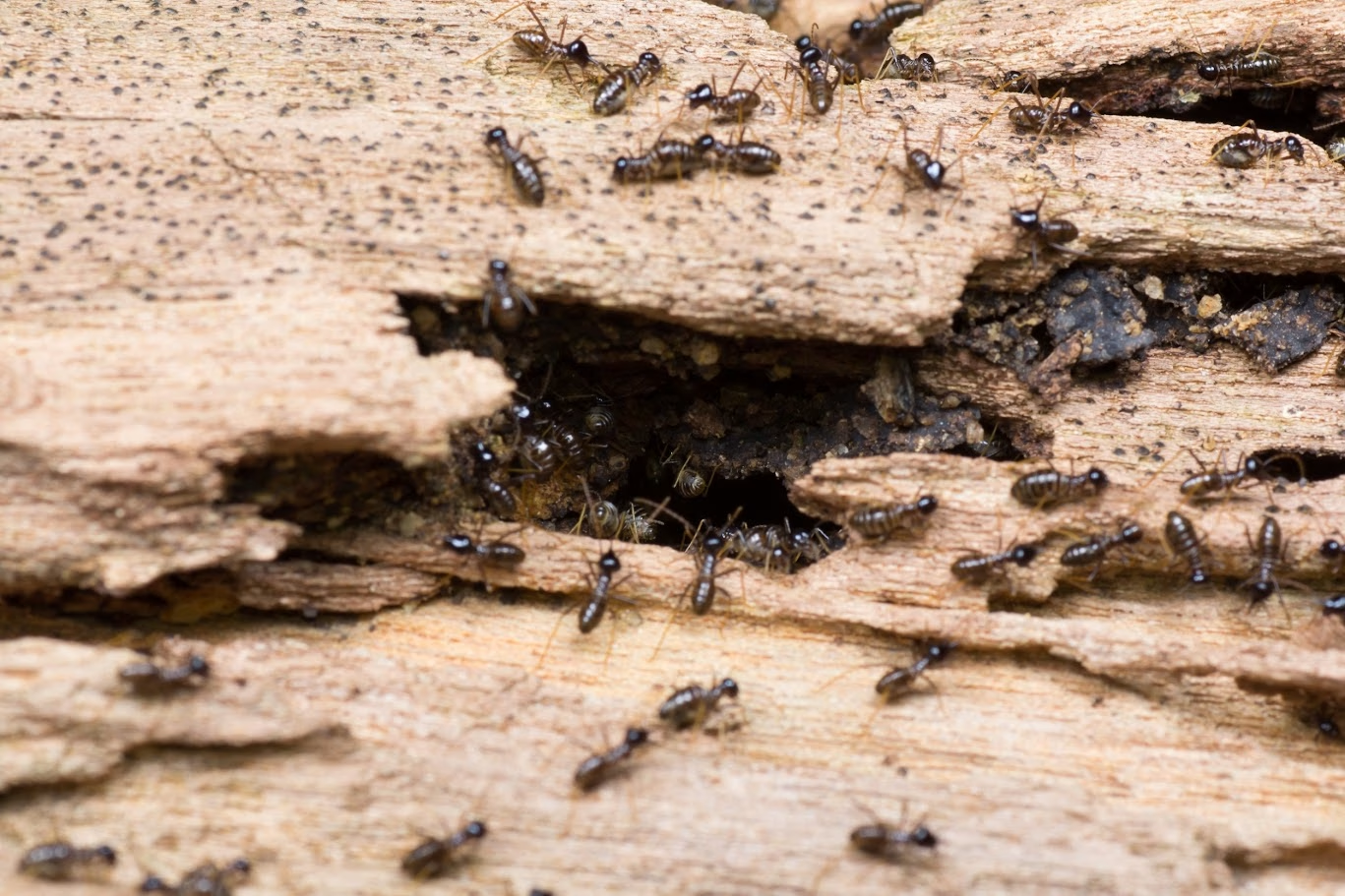
Subterranean termites are the most destructive species in Washington. They nest underground in colonies that can contain hundreds of thousands of workers. They build mud tubes — pencil-width tunnels of soil and saliva — to travel from their underground nest to the wood they feed on. Because these tubes protect them from air exposure and predators, they are a key sign of infestation.
Subterranean termites cause an estimated 95 percent of all termite damage in the United States. In Washington State, the western subterranean termite is the dominant species. They are most active in spring and early summer when winged reproductive termites — called swarmers — emerge to establish new colonies.
Signs of subterranean termites: Mud tubes on foundation walls, support piers, or crawl space joists; soft or hollow-sounding wood; discarded wings near windows or doors; and blistering or darkening wood surfaces.
Dampwood Termites
Dampwood termites are larger than subterranean termites and do not require soil contact. As the name suggests, they need wood with high moisture content. In Western Washington, dampwood termites are common in crawl spaces, attics, and any wood that has been exposed to leaks or poor drainage.
The key fact about dampwood termites: they cannot survive in dry wood. Because of this, treating the termites without fixing the moisture problem guarantees they will return. Effective dampwood termite control requires both eliminating the colony and correcting the moisture source that attracted them.
Signs of dampwood termites: Large, reddish-brown swarmers near windows or lights; fecal pellets resembling sawdust or coffee grounds; soft, crumbling wood; and galleries that follow the grain of the wood.
How to Tell Them Apart
| Feature | Subterranean Termites | Dampwood Termites |
|---|---|---|
| Nest location | Underground, soil contact required | Inside damp wood, no soil contact needed |
| Mud tubes | Yes | No |
| Moisture need | Moderate | High — requires wet wood |
| Swarmer size | Smaller, dark | Larger, reddish-brown |
| Damage pattern | Damage from outside in | Galleries follow wood grain |
How We Inspect for Termites in Belfair
A proper termite inspection covers the entire structure. Here is what we look for:
Crawl space and foundation. We examine foundation walls, support piers, and the sill plate for mud tubes, damaged wood, and signs of moisture intrusion.
Exterior. We inspect siding, window frames, deck posts, and any wood-to-ground contact for termite activity and moisture damage.
Attic and interior. We check accessible attic framing, floor joists, and interior wood surfaces for hollow sounds, blistering, or frass.
Moisture sources. We look for leaks, poor drainage, and ventilation issues that create the damp conditions termites need.
About WDO Inspection Reports
If you are buying or selling a home in Washington State, you may need a Wood Destroying Organism (WDO) inspection report. These reports are required by many lenders and are typically valid for 30 days. Washington State regulates who can produce these reports — the inspector must hold a WSDA structural pest inspector license.
Important note: A WDO report is not a guarantee that the property is free of wood-destroying organisms. It is a report of conditions observed on the date of inspection. Lenders use it to confirm the property is not currently infested.
Contact us to discuss whether a WDO report is needed for your situation.
Treatment Options for Termites
The right treatment depends on the species, the extent of the infestation, and the condition of the structure.
Subterranean Termite Treatment
For subterranean termites, the goal is to break the connection between the colony and the wood they are feeding on.
Liquid soil treatment. This creates a treated barrier in the soil around the foundation. Termites passing through the treated zone pick up the product and carry it back to the colony.
Bait systems. Bait stations are installed in the ground around the structure. Workers carry slow-acting bait back to the colony, gradually eliminating the population. This approach is effective for long-term control and monitoring.
Dampwood Termite Treatment
Dampwood termite treatment is different. Because these termites live inside the wood they are destroying, the treatment approach focuses on:
Removing the moisture source. This is the critical first step. Without fixing the leak, poor drainage, or ventilation issue, the infestation will return.
Removing and replacing damaged wood. Severely damaged wood cannot be saved and must be removed to eliminate the colony.
Localized treatment. In some cases, targeted treatment of remaining wood can help, but this is secondary to correcting the moisture problem.
What Affects Termite Treatment Cost in Washington
Costs vary based on several factors:
Type of termite. Dampwood termite treatment is often less expensive than subterranean treatment because it focuses on localized areas rather than whole-structure protection.
Extent of damage. More damage means more repair work.
Treatment method. Bait systems typically cost more upfront than liquid treatments but provide long-term monitoring.
Structure size and complexity. Larger homes, multiple levels, and hard-to-access crawl spaces increase labor costs.
Whether repairs are needed. Termite damage repair is often a separate cost from treatment.
Industry pricing for termite treatment in Washington State often ranges from a few hundred dollars for localized dampwood treatment to several thousand dollars for whole-structure subterranean treatment. We provide a clear estimate before any work begins.
Prevention Tips for Belfair Homeowners
The best termite control is prevention. Here is what you can do:
-
Keep wood dry. Fix leaks promptly. Ensure crawl spaces have proper ventilation and vapor barriers.
-
Maintain drainage. Gutters and downspouts should direct water away from the foundation.
-
Avoid wood-to-ground contact. Keep siding, deck posts, and fence posts at least six inches above soil.
-
Remove scrap wood. Do not store firewood, lumber, or debris against the house.
-
Schedule annual inspections. Early detection prevents extensive damage.
Areas We Serve
Northwest Termite & Pest Control serves Belfair and communities throughout the region.
Belfair
Termite Control in Belfair, WA
Bremerton
Termite Control in Bremerton, WA
Port Orchard
Termite Control in Port Orchard, WA
Shelton
Termite Control in Shelton, WA
Gig Harbor
Termite Control in Gig Harbor, WA
Silverdale
Termite Control in Silverdale, WA
Allyn
Termite Control in Allyn, WA
Seabeck
Termite Control in Seabeck, WA
Grapeview
Termite Control in Grapeview, WA
Tahuya
Termite Control in Tahuya, WA
Union
Termite Control in Union, WA
Hoodsport
Termite Control in Hoodsport, WA
If you do not see your community listed, give us a call at 877-284-6972 to confirm whether we serve your area.
Related Services
Termite control often connects to other pest problems and home issues. If your situation involves any of the following, we can help directly:
-
Pest Control — comprehensive pest management for homes and businesses
-
Ant Control — carpenter ants also damage wood and are often confused with termites
-
Rodent Control — rodents can create moisture problems that attract termites
-
Spider Control — reducing spider activity indoors and out
-
Bee Control — safe removal of bee colonies
-
Hornet & Yellow Jacket Control — removal of aggressive stinging insect nests
Questions Homeowners Ask
How do I know if I have termites or ants?
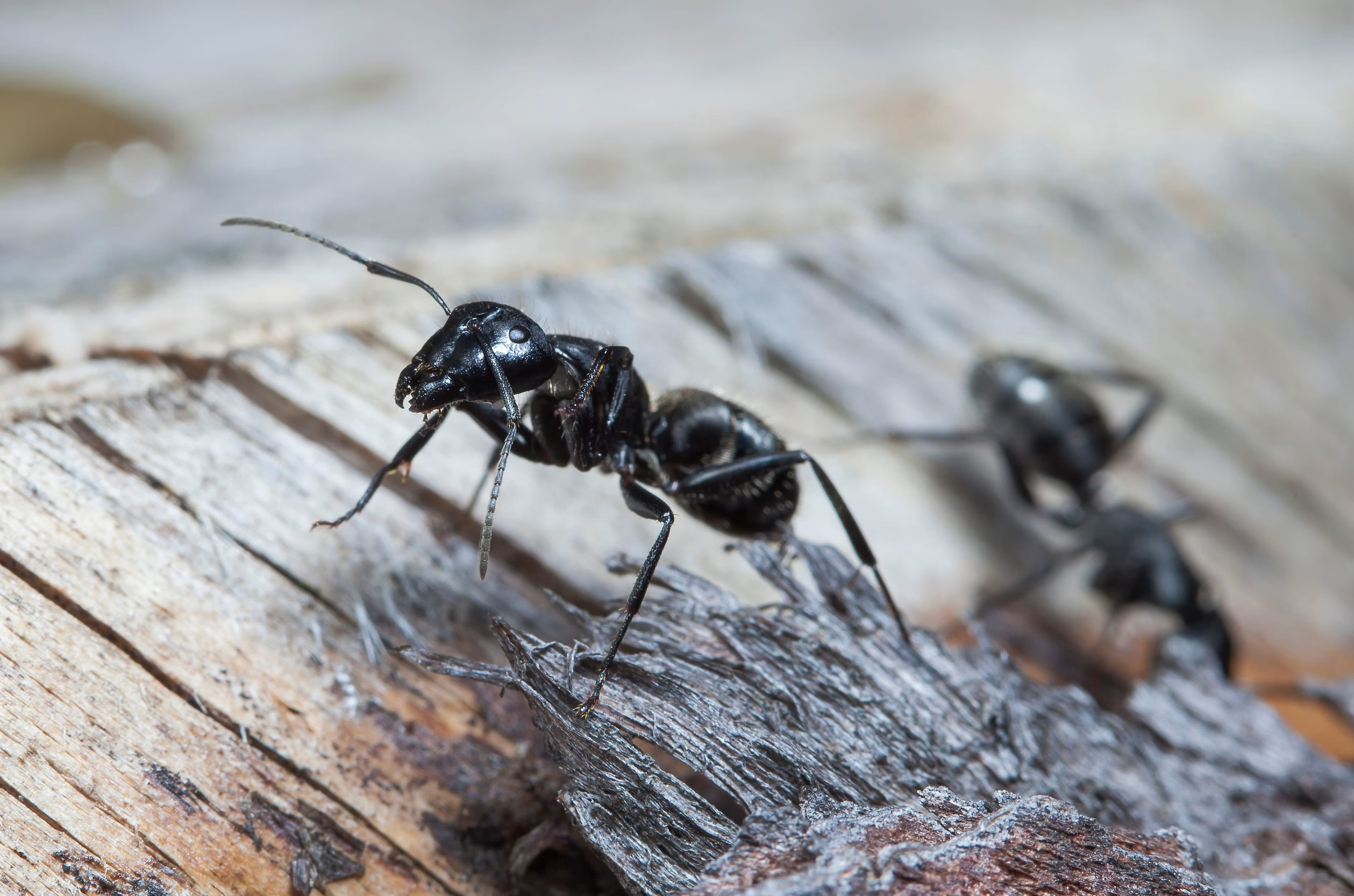
Carpenter ants and termites both damage wood, but the signs differ. Carpenter ants leave sawdust-like frass and have a pinched waist with bent antennae. Termites leave mud tubes or fecal pellets and have a thick waist with straight antennae. Our ant control page explains the difference in detail.
How long does termite treatment last?
Liquid soil treatments can remain effective for five to ten years, depending on soil conditions. Bait systems require ongoing monitoring but provide continuous protection.
Do I need to leave my home during treatment?
For most termite treatments, you do not need to leave. We will advise you on any specific precautions for your situation.
Will termite damage be repaired as part of treatment?
Termite treatment eliminates the colony. Damage repair is typically a separate service. We can discuss repair options during the inspection.
Is a WDO inspection report required for my home sale?
Many lenders require a WDO report before approving a mortgage. The report confirms whether active infestation was observed on the inspection date. Contact us to discuss your specific situation.
How often should I have my home inspected for termites?
Annual inspections are recommended, especially for homes with crawl spaces or previous termite activity.
Why Choose Northwest Termite & Pest Control?
When you hire Northwest Termite & Pest Control, you’re choosing a local company that’s committed to providing more than just pest treatments—you’ll receive personalized service from experienced professionals who genuinely care about protecting your home.
Our owners remain actively involved in the business and personally perform many inspections and treatments, ensuring every customer receives the attention to detail and quality workmanship that have defined our company since 2007.
We use environmentally responsible products whenever possible, customize every treatment plan, and back our work with a satisfaction guarantee.
Whether you need a one-time service or year-round pest protection, you can count on Northwest Termite & Pest Control to keep your home or business protected from unwanted pests.
Contact us today to schedule your inspection and discover why so many homeowners and businesses throughout Kitsap and Mason Counties trust Northwest Termite & Pest Control for dependable, effective pest management.